About us
Protecting Africa’s Future, One Species at a Time
Inspiring the Next Generation of Wildlife Champions
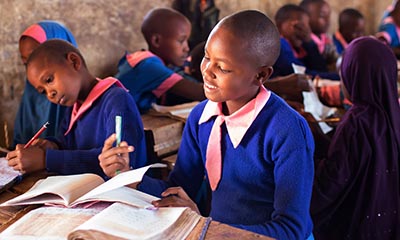
The African Wildlife Initiative is more than a conservation organization—we are a movement dedicated to reimagining early education through the lens of global biodiversity and environmental responsibility. Founded with the vision of connecting children to the beauty and urgency of African wildlife, we provide holistic, child-centered programming that blends early childhood development principles with science-based conservation education. Our organization serves families, schools, and community groups with resources, workshops, and experiential learning opportunities that make wildlife conservation accessible, engaging, and age-appropriate. From toddlers learning about animal footprints to preschoolers exploring the journey of water from mountain to ocean, every activity is designed to nurture curiosity, critical thinking, and compassion. We operate on the belief that children who understand and care for nature from an early age are more likely to become informed, engaged citizens and future conservation leaders. Our programs are grounded in the latest research in environmental education, early childhood development, and behavioral psychology, ensuring that learning is not only fun but meaningful and lasting.
Education rooted in empathy, science, and community action
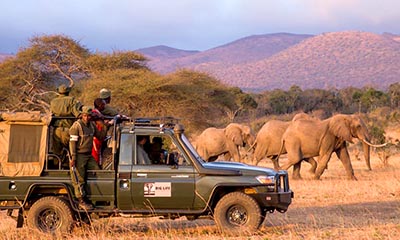
What truly sets us apart is our unique model: we are not just educators—we are conservationists, researchers, and storytellers united by a shared purpose. While many early learning programs incorporate nature into their curricula, we go further by integrating real-world conservation challenges and solutions into daily activities. Children don’t just learn about lions; they learn how communities in Kenya are protecting them from poaching. They don’t just read stories about rainforests; they map reforestation efforts in the Congo Basin. This authenticity deepens learning and fosters a sense of agency. Additionally, our international partnerships allow us to share real-time updates from the field—photos, videos, and stories from rangers and scientists working in African landscapes. This direct connection transforms distant ecosystems into relatable, urgent causes. By weaving global conservation into local learning, we prepare children to think beyond their own communities and act with planetary awareness. Our approach is inclusive, culturally responsive, and adaptable to diverse learning environments, ensuring that every family feels welcome and empowered to make a difference.
From a Passion for Wildlife to a Movement for Change
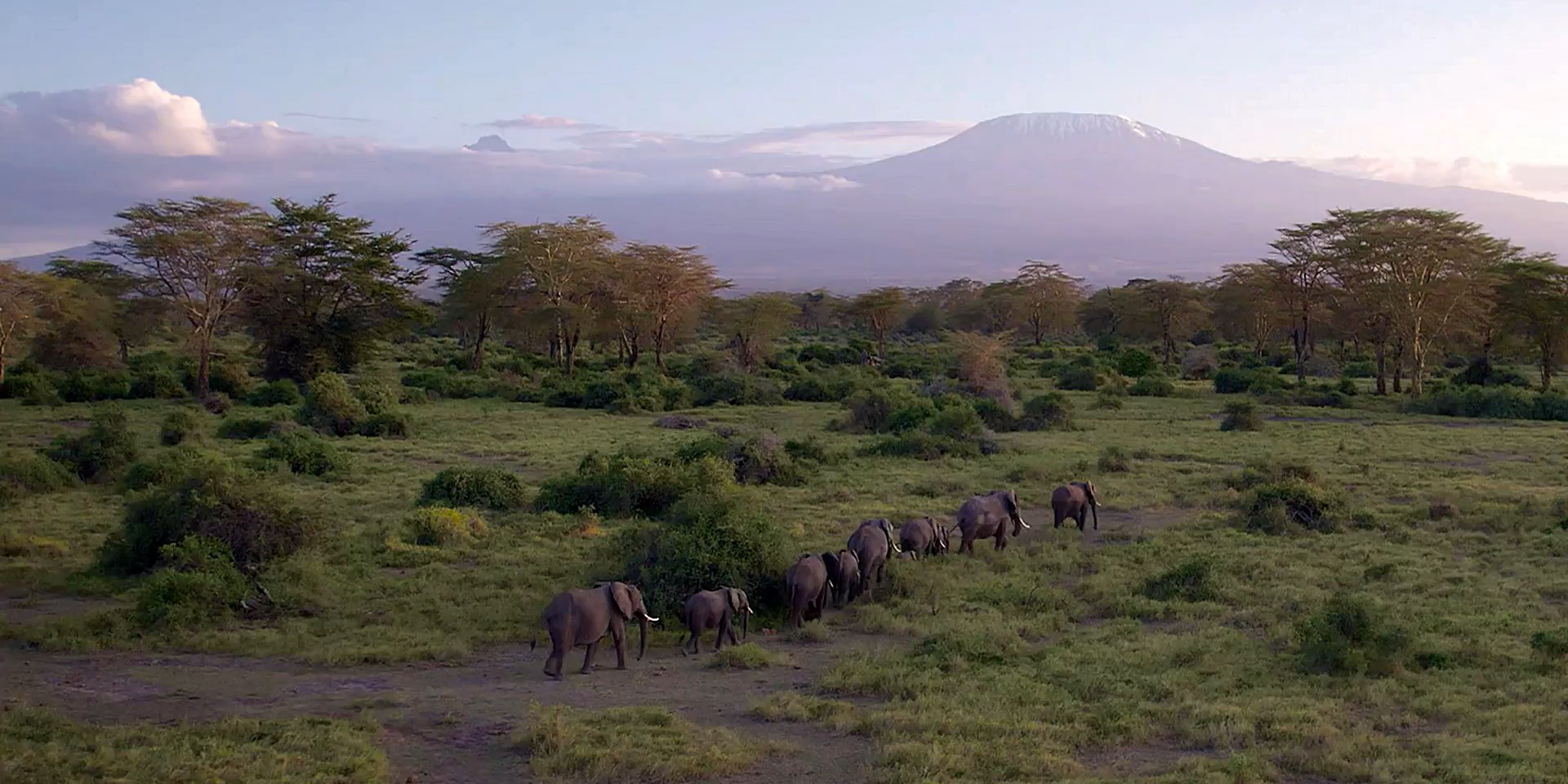
The African Wildlife Initiative began as a quiet dream—a vision shared by Dr. Nia Mwangi, a Kenyan-born conservation biologist, and her lifelong friend, American educator Ethan Reed, who had both witnessed the devastating effects of habitat loss and illegal wildlife trade across Africa. In 2015, during a research trip to the Amboseli region, they met a group of Maasai elders who spoke with heartbreaking clarity about the vanishing herds of elephants and the dwindling number of young people interested in preserving their ancestral lands. The elders lamented that children growing up in rural communities no longer knew the names of native birds or the migration patterns of wildebeest. It was in that moment, around a campfire under the vast African sky, that Nia and Ethan resolved to create a program that would rekindle the connection between people and nature—starting with the youngest learners. Returning to the U.S., they began developing a conservation-based early education curriculum that would bring African ecosystems to life for children worldwide. With initial funding from a small crowdfunding campaign and support from local conservation NGOs, the first pilot workshops were held in a community center in Nairobi and a preschool in Washington, D.C.
What We Do
Early Education with a Conservation Heart
The African Wildlife Initiative offers a dynamic range of programs designed to bring African wildlife and conservation into the everyday lives of young children and their families. At the core of our work is a research-backed early education model that integrates ecological literacy, cultural understanding, and emotional development. Our flagship program, “Little Guardians of the Savanna,” is a year-long curriculum for ages 3–6 that covers six major African biomes—savannas, rainforests, deserts, wetlands, mountains, and coastal regions—through thematic units. Each month, children explore a new ecosystem, meet a featured animal (such as the pangolin, the cheetah, or the okapi), and engage in hands-on activities like building food webs, creating habitat dioramas, and participating in conservation action projects.