Our mission
Meet the heart and soul of the African Wildlife Initiative
Our mission at the African Wildlife Initiative is to conserve animal wildlife and nature conservation in the African region through education, community engagement, and direct field support. We recognize that Africa’s biodiversity is under unprecedented threat—habitat destruction, climate change, poaching, and human-wildlife conflict have pushed numerous species to the brink of extinction. But we also believe that education is a powerful form of conservation. By equipping children with the knowledge, values, and tools to care for nature, we create a ripple effect that extends far beyond the classroom. Our mission is not just to teach facts about elephants or lions, but to cultivate a moral imperative—to help children understand that their actions, no matter how small, have consequences for global ecosystems. We work at the intersection of early childhood education and conservation science, translating complex ecological concepts into child-friendly narratives and experiences. For example, when children learn about the illegal wildlife trade, they also learn how consumer choices—like avoiding ivory or fur—can protect animals thousands of miles away. This awareness is the first step toward behavior change.
Vision: A World Where People and Wildlife Thrive Together
Our vision at the African Wildlife Initiative is a future in which people and wildlife thrive together—where African landscapes pulse with life, where endangered species recover, and where every child, regardless of birthplace, grows up with a profound respect for the natural world. We envision a world where early education is not separated from environmental education, but where every lesson, game, and story nurtures a generation of empathetic, informed, and engaged citizens. In this future, children in urban classrooms in New York can connect emotionally with a giraffe in the Serengeti, just as easily as a Maasai child in the Rift Valley. We imagine classrooms where students don’t just memorize facts about ecosystems, but actively design solutions to conservation challenges—creating wildlife-friendly gardens, launching awareness campaigns, and even advocating for policy change. This vision is not idealistic; it is achievable, and it is already taking shape. Every child who names a red-crowned crane, builds a model of a termite mound, or writes a letter to a local official about habitat protection is contributing to this future.
Values: Respect, Empathy, and Action
At the African Wildlife Initiative, our values are the foundation of everything we do. Respect guides our relationships with people, animals, and the planet. We respect the wisdom of traditional communities, the expertise of scientists, and the innate curiosity of children. We recognize that African cultures have stewarded wildlife for centuries, and we honor that knowledge by incorporating indigenous perspectives into our curricula and outreach. We also respect the intelligence of young minds—our content is never “dumbed down” but is instead made accessible through storytelling, play, and exploration. Empathy is at the heart of our educational philosophy. We teach children to put themselves in the paws, hooves, and wings of animals—imagining what it feels like to be a cheetah escaping fire, a pangolin hunted for scales, or a child whose farm is damaged by elephants. This emotional connection transforms abstract facts into personal responsibility. We foster empathy not only for wildlife but for people affected by conservation decisions—farmers, rangers, and community leaders whose lives are intertwined with nature.
Impact: Creating Lasting Change for People and Planet
The impact of the African Wildlife Initiative can be measured in multiple dimensions—ecological, educational, and social. Ecologically, our education programs have directly supported conservation on the ground. Through partnerships with organizations like the African Parks Network and local NGOs, funds raised by children in our “Habitat Heroes” program have contributed to the restoration of over 1,200 acres of degraded land in Kenya and Uganda, the installation of early-warning beehive fences to reduce human-elephant conflict in Botswana, and the deployment of camera traps to monitor endangered pangolin populations in the Congo. These projects are not just funded by our programs—they are inspired by them. Children who raised money for reforestation see the GPS coordinates of the trees they planted; those who learned about bee fences receive updates from field rangers showing how the fences prevented crop damage. This direct feedback loop reinforces the reality of conservation work and motivates continued engagement.
Join our mission
Be part of the change
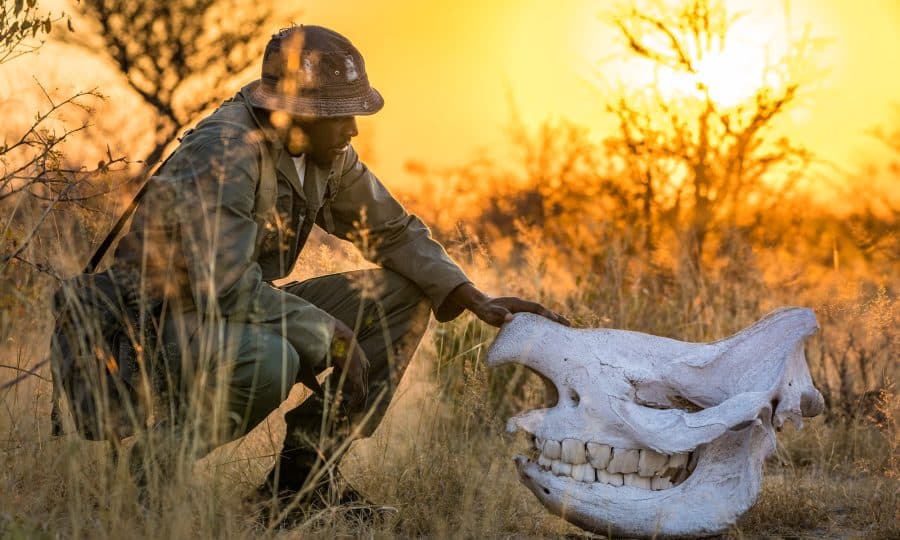
The African Wildlife Initiative is more than an organization—it’s a global community of learners, educators, families, and conservationists united by a shared mission: to protect Africa’s irreplaceable wildlife and ensure a sustainable future for all. Families can enroll children in our programs, attend workshops, or participate in our annual “Global Wildlife Week,” where children from over 40 countries connect for shared conservation projects. Educators can access our free curriculum, join our teacher network, or apply for grants to fund classroom conservation initiatives. Students can join our Youth Conservation Council, design advocacy campaigns, or compete in our “Save the Savanna” science fair. Professionals can volunteer their skills—whether in marketing, finance, law, or technology—to support our operations and scale our impact.
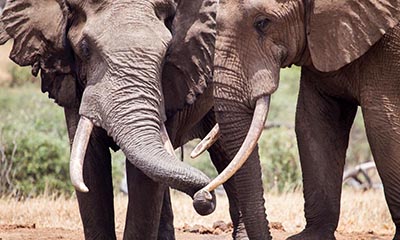
Our impact is amplified through dynamic partnerships that bridge the gap between passion and tangible action. Corporate allies can align their brand with our mission through strategic sponsorships, engage their teams with hands-on conservation work, or co-develop sustainable product lines that directly benefit our projects. Researchers can collaborate with our field experts, gain access to vital ecological data, or apply for our annual research grants to pioneer new conservation solutions. Supporters everywhere can fund a ranger’s essential gear, sponsor the reforestation of a critical habitat, or join our ‘Guardian Circle’ to provide the steady, foundational support that makes our long-term vision a reality.